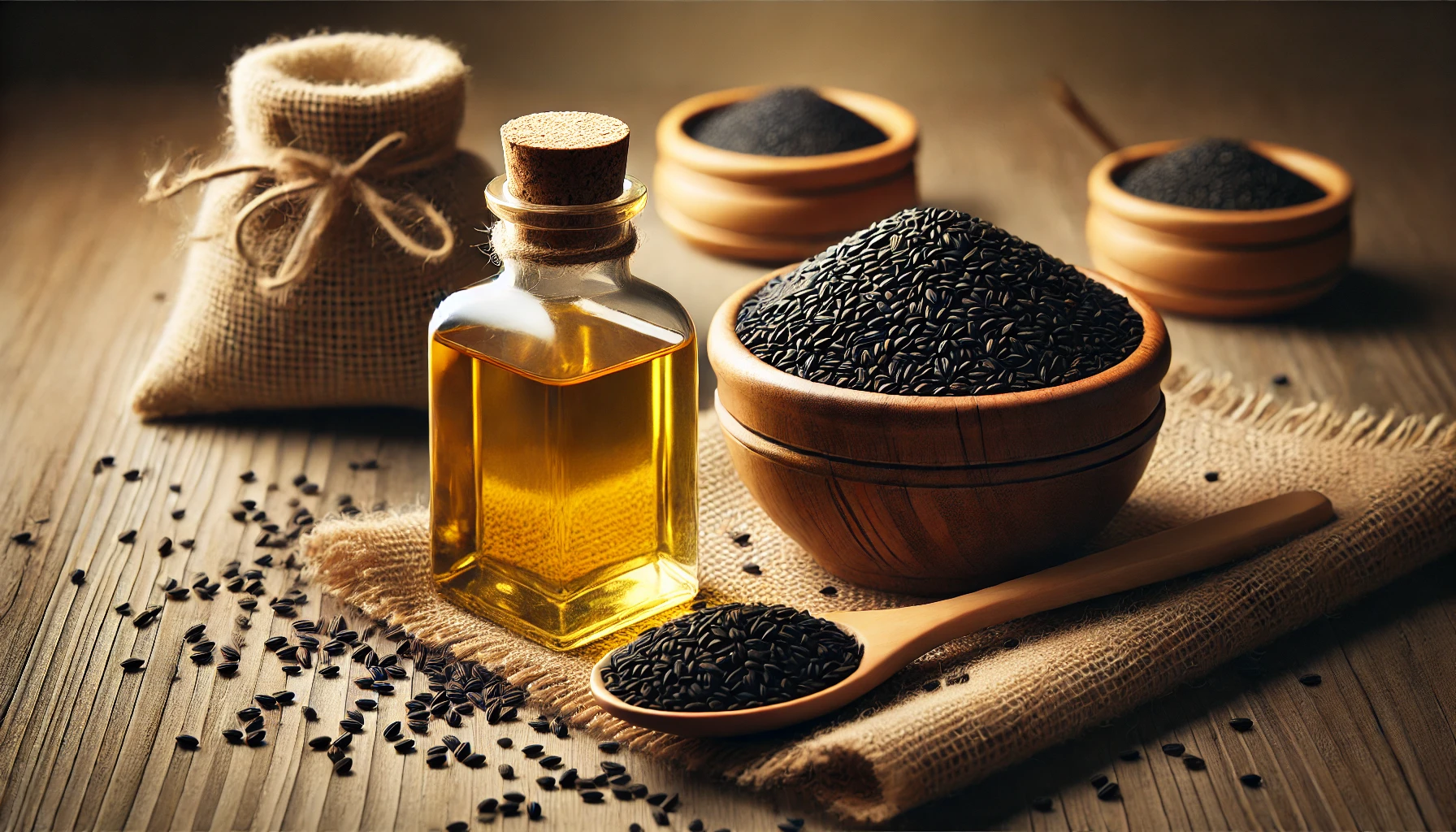
The Shocking Truth About Seed Oils: Why They’re Not as Heart-Healthy as You Think. In today’s modern diet, seed oils are everywhere. They are in processed foods, restaurant meals, salad dressings, and even home kitchens. Despite being marketed as “heart-healthy” alternatives to saturated fats, emerging research suggests that seed oils may be causing more harm than good. These oils undergo heavy processing, involve chemical extractions, and contain inflammatory compounds that may contribute to chronic diseases.
In this article, we will explore why seed oils like soybean, canola, corn, sunflower, and especially cottonseed oil could be detrimental to your health. We will also discuss healthier alternatives and practical ways to eliminate them from your diet.
What Are Seed Oils?
Seed oils, often labeled as “vegetable oils,” are extracted from seeds such as:
• Soybean oil
• Canola oil
• Corn oil
• Sunflower oil
• Safflower oil
• Cottonseed oil
Although marketed as vegetable oils, they do not come from vegetables but rather from industrialized seeds. The extraction process involves high heat, chemical solvents like hexane, and deodorization to remove their naturally unpleasant smell and taste.
The Dangerous Processing of Seed Oils
Unlike traditional fats such as butter, tallow, or coconut oil, seed oils undergo extreme processing:
High Heat Extraction (400°F or More) – Destroys natural nutrients and creates toxic byproducts. Chemical Solvent Extraction (Hexane) – Leaves traces of chemicals in the final product. Deodorization Process – Masks rancidity but does not eliminate harmful oxidation. High Omega-6 Content – Leads to chronic inflammation when consumed in excess. The Link Between Seed Oils and Chronic Diseases. One of the biggest concerns with seed oils is their high content of omega-6 fatty acids. While omega-6 is essential in small amounts, the excessive consumption of these fats—found in processed foods—can lead to chronic inflammation.
1. Seed Oils and Inflammation.
Chronic inflammation is the root cause of many diseases, including:
• Heart disease
• Type 2 diabetes
• Obesity
• Cancer
• Autoimmune disorders
2. The Connection to Insulin Resistance
Consuming too many omega-6 fats from seed oils can lead to insulin resistance, a key driver of type 2 diabetes. Inflammation from these oils can disrupt the body’s ability to regulate blood sugar properly.
3. The Impact on Heart Health
Contrary to popular belief, seed oils may not be good for your heart. While they lower cholesterol, research suggests they increase the risk of heart disease due to oxidation and inflammation. The oxidation of polyunsaturated fats in seed oils can damage arteries and contribute to atherosclerosis (hardening of the arteries).
4. The Cancer Connection
Oxidized fats and free radicals generated from heating seed oils can damage cells and DNA, increasing the risk of cancer growth. Additionally, many of these oils contain traces of glyphosate (a harmful herbicide), which has been linked to cancer development.

Why Seed Oils Are So Common in Our Food Supply
If seed oils are so harmful, why are they in nearly every processed food? The answer lies in profitability and marketing. Seed oils are cheap to produce, extend the shelf life of packaged foods, and have been aggressively promoted as “heart-healthy.” The food industry benefits from their widespread use, while consumers unknowingly suffer the health consequences.
Healthier Alternatives to Seed Oils
Eliminating seed oils from your diet can be a game-changer for your health. Here are better alternatives for cooking and food preparation:
1. Extra Virgin Olive Oil
• High in antioxidants
• Anti-inflammatory properties
• Great for salad dressings and low-heat cooking
2. Coconut Oil
• Stable at high temperatures
• Supports brain and heart health
• Ideal for baking and frying
3. Butter (Preferably Grass-Fed)
• Rich in fat-soluble vitamins (A, D, E, and K)
• Provides a stable fat for cooking
4. Ghee (Clarified Butter)
• Ideal for high-heat cooking
• Lactose-free alternative to butter
5. Tallow (Beef Fat) and Lard (Pork Fat)
• Traditional cooking fats used for centuries
• Provide a rich, natural flavor
6. Avocado Oil
• High in monounsaturated fats
• Suitable for cooking at high temperatures
• How to Avoid Seed Oils in Your Diet
Since seed oils are hidden in many processed foods.
Here’s how you can avoid them:
• Read Ingredient Labels – Look for oils like soybean, canola, corn, and sunflower oil in packaged foods.
• Cook at Home – Preparing your own meals allows you to control the fats you consume.
• Choose Restaurants Carefully – Many restaurants cook with seed oils; opt for grilled, roasted, or steamed options.
• Make Your Own Condiments – Store-bought mayonnaise, salad dressings, and sauces often contain seed oils. Making your own using olive or avocado oil is a healthier alternative.
• Use an Air Fryer – Avoid deep-frying foods in seed oils; air fryers allow you to enjoy crispy foods with minimal oil.
Also Read: 5 Powerful Benefits of Cold Showers
Conclusion
Seed oils are not the heart-healthy fats they are marketed to be. Their heavy processing, high omega-6 content, and toxic byproducts contribute to chronic inflammation, insulin resistance, and serious diseases like heart disease and cancer.
Switching to traditional, natural fats such as olive oil, coconut oil, butter, and tallow can significantly improve your health. By making informed choices and avoiding processed foods, you can take control of your well-being and reduce your risk of chronic illness.
Take Action Today!
Check your pantry for seed oils and replace them with healthier alternatives.
Read food labels carefully when grocery shopping.
Cook more meals at home using stable, natural fats.
However, this article is for informational purposes only and should not be taken as medical advice.
Consult a healthcare professional or a registered dietitian for personalized dietary recommendations.